Digital childhood brings new mentality

What is the future of our society based on this mentality? Many people worry about Climate Change, rightly so, but I am worrying more about Human Change. How addictive technology is changing our children and creates new culture. For the first time in our civilisation, we face a generation where more and more young people have reduced psychological and emotional abilities to create any longterm relationships including family with children.
The world isn’t just facing major challenges: a demographic and a cultural – it is experiencing two emergencies. This situation has a big potential to create unprecedented social crises. I see Human Change as the biggest risk for humanity today.
Today, we are experiencing a unique digital transformation of our world and enjoying many wonderful technical innovations. This transformation brings us a lot of great opportunities, which we all appreciate. But it brings great risks, too. More and more experts speak about how digital addiction is changing our society. The challenge of digital addiction impacts the whole population. Adults have better chances to deal with this because they grew up prior creation of such addictive digital programs and could develop life-skills needed to resist addictions and to build critical thinking.
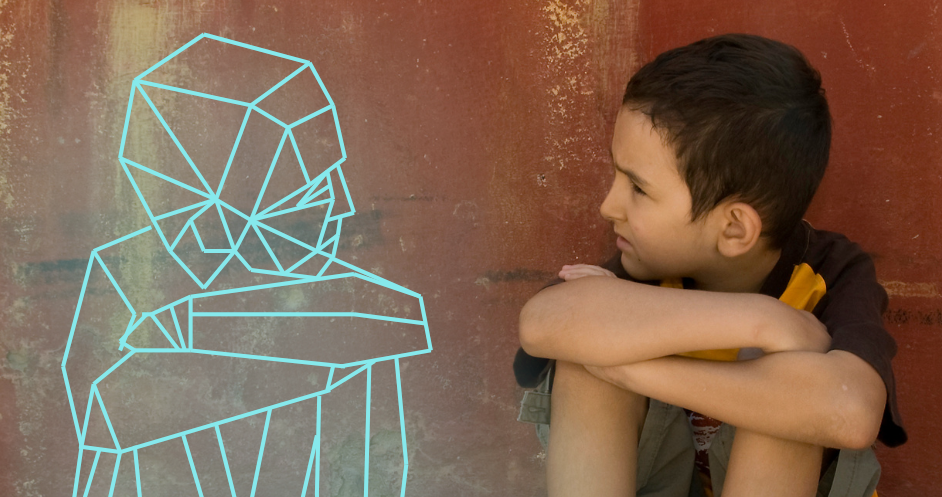
In pre-digital time, children development happened mainly in personal interactions with family members and teachers and in free-pay and daily opportunities with their peers. Now, most children are growing surrounded by new addictive technologies, particularly anthropomorphic AI (AI which «acts» like a human being) all the time, at home and in schools via digital education. Too many children are starting to prefer to live in virtual reality and consequently, they have not enough time and experiences to develop social, intellectual and even physical skills needed to become resilient and responsible in their adult lives.
Two years ago, World Health Organisation (WHO) proclaimed the loneliness as the main global health risk not only for adults but also for children. For 4 years, the Mental Child Crisis has become one of the biggest challenge for our society. For example, there are so many children in Switzerland who need psychological support today, that the waiting list for them to get a treatment has become longer than a year. This is an unprecedented situation for Switzerland..
Margarita Louis-Dreyfus, Economist and Manager
Übersetzung hier klicken.